Secure sharing, explained
Guides and news on sharing passwords, API keys and sensitive data safely.
How to Spot a Fake Password Request
Fake password requests pose as the boss, IT or a client. Learn the warning signs, how to verify who is asking, and what to do if you already replied.
Is It Safe to Text a Password?
Is it safe to text a password? SMS and chat texts leave copies on phones and backups. See the risks and a safer way to send a password by phone.
How to Send a Temporary Password After a Reset
Resetting a user's password for them? Verify who is asking, make the temporary password single-use and send it as a one-time link, not by email or chat.
How to Send an SSH Private Key Safely
Should you send an SSH private key? Usually not. Share the public key instead, and if you must hand over a private key, protect it and rotate it after.
When Should You Rotate Shared Passwords?
How often should you change shared passwords? Rotate on events such as a leaver or a leak, and on a schedule for high-value logins. A practical guide.

How to Share Social Media Logins with an Agency or Freelancer
Hiring an agency or freelancer to run your social accounts? Give them roles first, share a login only if you must, and remove access when the work ends.

What to Do If an API Key Leaks in a Git Repository
Committed an API key to Git by mistake? Revoke it first, then check for misuse and clean up. A calm step-by-step plan for developers and teams.
Should You Add a Passphrase to a Secret Link?
Should you add a passphrase to a secret link? It helps when the link might be seen by others, if you send the passphrase through a different channel.
How Long Should a Secret Link Stay Active?
How long should a secret link stay active? Pick an expiry and view limit by matching them to how fast the recipient will actually open it.
Why Support Teams Should Stop Pasting Passwords in Tickets
Customers send passwords in support tickets because it is easy. See why that is risky and how to collect credentials safely.
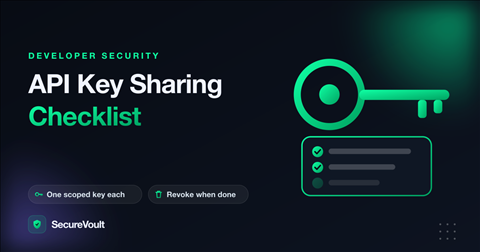
API Key Sharing Checklist for Contractors
An API key sharing checklist for contractors: scope the key, share it once, monitor its use and revoke it when the work ends.
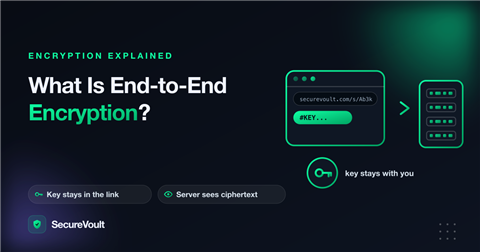
What Is End-to-End Encryption in Secret Sharing?
End-to-end encryption in secret sharing keeps a secret away from the server. See how the # in a link works and the limits of browser-based tools.